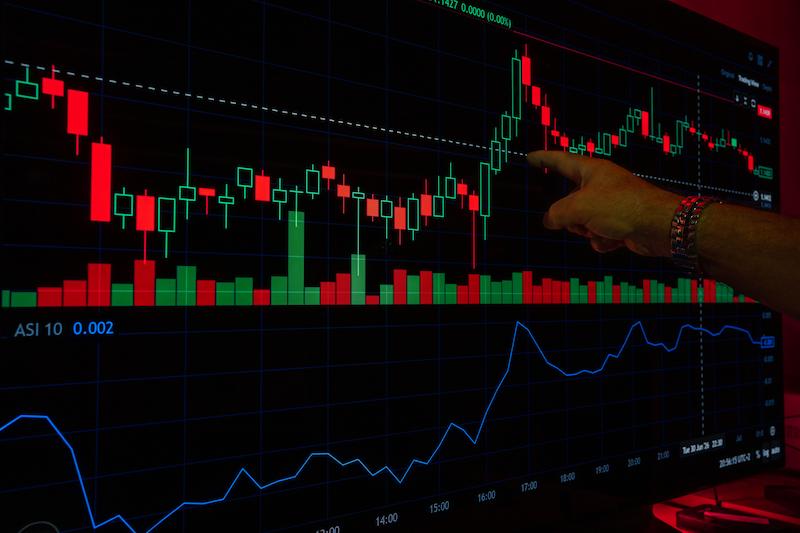
Few forces move Indian equities as visibly as the arrival or departure of foreign capital. When money flows in, large-cap stocks tend to rally, the rupee strengthens, and sentiment brightens. When it flows out, the reverse often occurs. Global benchmarks such as the Dow Jones Index frequently influence how foreign managers feel about risk, since a strong close there can encourage them to allocate more to higher-growth markets. Likewise, the Hang Seng is closely followed by fund managers who compare relative valuations across emerging markets before deciding where to place fresh money. For Indian investors, understanding this relationship removes much of the mystery behind sudden market swings and helps in planning portfolios with greater composure.
How Foreign Portfolio Investors Decide
Foreign portfolio investors take their money based on growth potential, stability of currency, visibility of earnings, and price to value ratios. India has more often than not delivered on growth and demographics but it is not cheap relative to other emerging markets. When valuations get stretched, foreign managers redeem to take profits despite a healthy economy. When interest rates outside India rise, risk-free deposits elsewhere become more attractive and money flows out. Their calls are more about balancing a portfolio than taking a view on India’s companies.
The Rising Strength of Domestic Money
A decade ago, large-scale redemptions by foreign investors would have led to marquee corrections. Today we have a powerful domestic institutional pool of mutual funds, insurance companies and retail investors. The daily Systematic Investment Plan (SIP) funding in excess of tens of thousands of crores is a commitment that will keep flowing despite any particular drama in the headlines. This has made India far more resilient to external shocks but not impervious. Sudden foreign selling can still inflict pain on banking stocks and information technology shares where overseas ownership is significant.
Reading the Data Intelligently
The daily figures of institutional buying or selling after market close are most revealing. A single day’s data tells you little because it could be square deals or hedging or month-end month adjustments. The weekly and monthly trends are more important. If foreigners continue to sell and Indians buy, the market will consolidate rather than crash. But both sets of investors selling at the same time is a sign to tread carefully. More importantly, track what sector is attracting the inflow – and it is often tell-tale signs of what institutional investors believe in.
What Individual Investors Should Do
Individuals cannot control what foreigners do but they can certainly control their own behaviour. Do not panic-sell great companies just because foreigners were net sellers this month. Take advantage of any correction by building a position in high-quality companies through staggered purchases. Diversify across sectors and keep your return expectations realistic. You will notice that companies make money for their investors regardless of the short-term ups and downs of the markets. But by focusing on what we can control, including cost averaging, diversification and time in the market, we will always be ahead of those who chase headlines on Dalal Street.